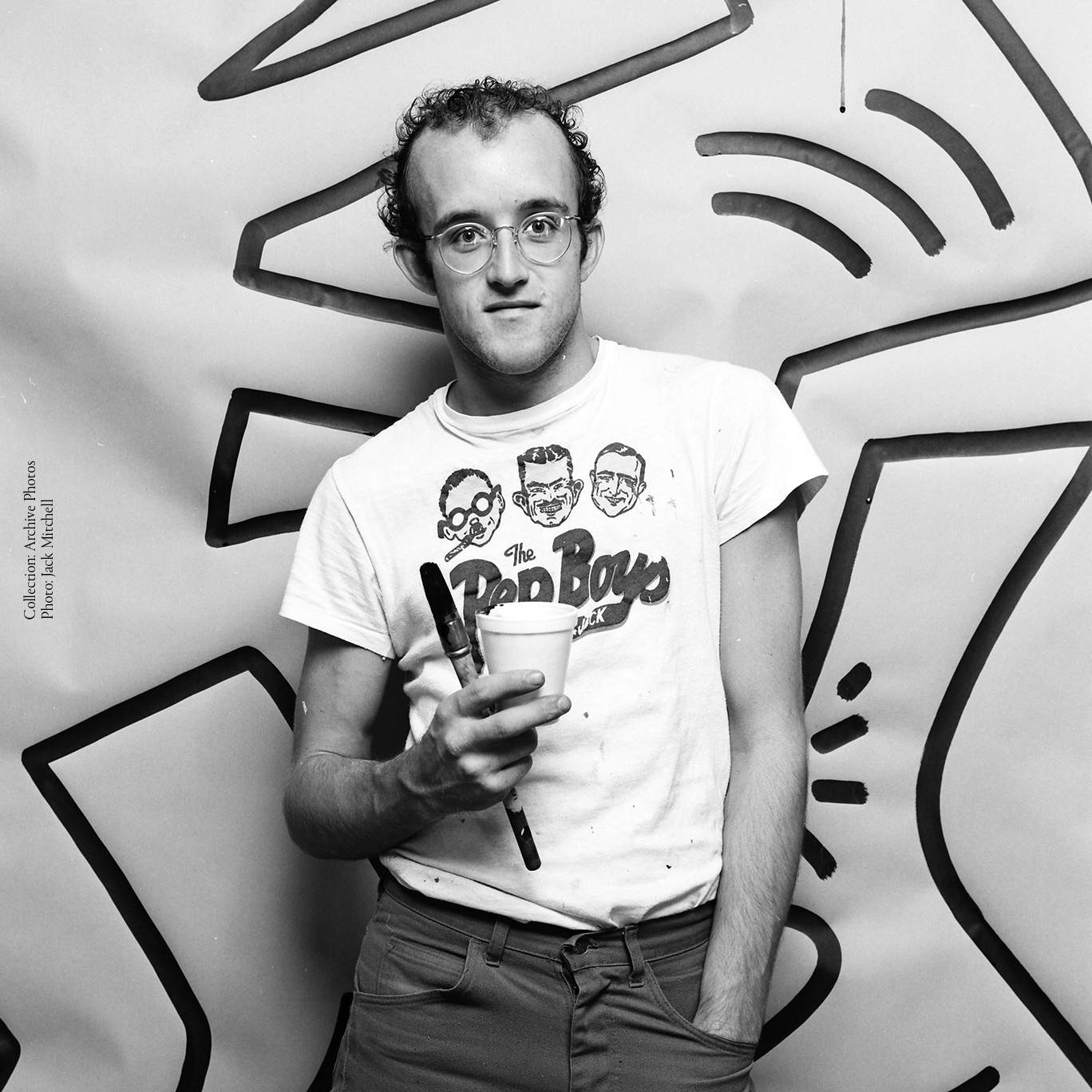
Vibrant Visions: The Enduring Legacy of Keith Haring's Art
Keith Haring's art bursts with energy and color, creating an infectious joy that resonates deeply with audiences around the world. Emerging from the vibrant streets of New York City in the 1980s, Haring's work was more than just visually captivating; it was a powerful commentary on the social issues of his time. His distinctive style, characterized by bold lines and playful figures, became synonymous with the movements of pop culture and social activism.
Haring used his art as a tool for communication, addressing topics such as AIDS awareness, LGBTQ rights, and anti-apartheid efforts. Each piece carries a sense of urgency and a call to action, reflecting the artist's deep commitment to social justice. Haring's legacy is not only preserved in the vivid murals and graffiti that adorn city walls; it lives on through the ongoing dialogue his work inspires about love, acceptance, and the fight against oppression. As we explore the enduring impact of Keith Haring's art, we uncover a tapestry of hope and resilience that continues to inspire new generations.
The Rise of Keith Haring
Keith Haring emerged in the early 1980s as a prominent figure in the New York City art scene, capturing attention with his unique style and vibrant visual language. His background in commercial art and pop culture informed his work, leading him to create pieces that were accessible and engaging to a broad audience. Haring's work was characterized by bold lines, bright colors, and simple yet expressive figures. He quickly gained recognition for his ability to connect with viewers through meaningful imagery that often addressed social issues.
The New York subway system became one of Haring's most significant canvases. His chalk drawings in subway stations not only brought art to the public but also served as a form of social commentary. These public artworks addressed themes such as love, death, and the struggles of marginalized communities. Haring's distinctive style and the immediacy of his work resonated with the urban environment around him, making his art a vital part of the city's cultural landscape. This visibility helped propel his career, allowing him to transition from street art to gallery exhibitions.
As Haring's visibility increased, he began collaborating with other artists and musicians, further embedding his work within the cultural fabric of the time. His art became a platform for activism, particularly in relation to AIDS awareness and LGBTQ+ rights, highlighting his commitment to social change. The energetic and inclusive nature of Haring's art drew people in, establishing him as not only an artist but a cultural icon whose influence and message resonated far beyond the confines of traditional art spaces.
Iconography and Style
Keith Haring's art is instantly recognizable, marked by vibrant colors and bold lines that seem to pulse with energy. His use of simple, cartoon-like figures often conveys complex themes related to love, social injustice, and the human experience. Through repetitive imagery such as dancing figures, barking dogs, and radiant babies, Haring created a visual language that transcends barriers, inviting viewers of all ages to engage with his messages.
The iconic characters in Haring's work are often loaded with symbolism. For instance, the radiant baby represents innocence and potential, while the barking dog is a commentary on societal issues. Haring employed a technique reminiscent of street art, drawing inspiration from graffiti and pop culture, which made his pieces accessible and relevant to the public. This accessibility was intentional, as Haring sought to communicate important social messages, particularly around issues such as AIDS awareness and anti-apartheid activism.
Haring's distinctive style extends beyond his choice of subject matter. His artworks are often characterized by their energetic rhythms and dynamic compositions, giving the impression of movement. The vibrant colors he used not only enhance the visual appeal but also evoke emotions that resonate with viewers. The combination of simplicity in the forms and the depth of the messages encapsulates Haring’s unique ability to speak to universal human experiences, solidifying his legacy in the art world.
Haring's Impact on Contemporary Art
Keith Haring's art has left an indelible mark on contemporary art, influencing countless artists and movements since his rise in the 1980s. His distinct visual language—bold lines, vibrant colors, and recurring motifs—has permeated various artistic practices, encouraging a blend of street culture with high art. Haring's work has inspired a generation of artists to embrace public spaces and engage with social issues, fostering a sense of activism through art that remains relevant today.
Through his advocacy for LGBTQ+ rights and AIDS awareness, Haring's art transcends mere aesthetics, embodying a powerful social message. His ability to address complex issues in an accessible manner has paved the way for contemporary artists to tackle similar themes. This legacy of activism is evident in the works of artists who draw on Haring's methods to create dialogue around pressing societal concerns, whether related to politics, identity, or community.
Haring's influence extends beyond traditional canvas, as his style continues to thrive in various mediums, including digital art and fashion. Collaborations with brands and artists emphasize the adaptability of his imagery in modern contexts, illustrating how his work resonates with new audiences. As contemporary art evolves, Haring's vibrant visions serve as a reminder that art can be both a personal expression and a powerful catalyst for change.